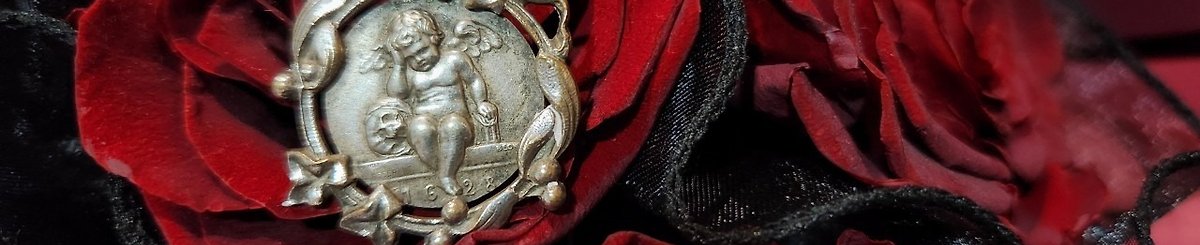

Rubies, often used in sacred rituals and royal adornments, symbolize beauty and are considered an ideal choice for sending blessings. Ancient Indian legends speak of the divine creation of the ruby before humankind, bestowing upon it the name "Ratnaraj," meaning "king of gems." This signifies the source of life, fiery passion, beautiful love, and eternal fidelity. The Bible also mentions red gemstones four times, linking them to nobility, beauty, and wisdom. Rubies are believed to be among the twelve precious stones created by God at the dawn of humanity.
The bow tie's origins trace back to the medieval "Battle of the Palatinate" in Europe, where soldiers wrapped scarves around their necks to secure shirt collars. This fashion element was keenly observed by Louis XIV, a style icon of the era, who ingeniously transformed it into the bow tie. This accessory quickly spread from France to England and across Europe, becoming a symbol of nobility and elegance.
The heart symbol, believed to represent affection, has an unclear origin. The earliest known heart motif was discovered on a fig leaf pendant from the Indus Valley Civilization. Additionally, the heart shape bears a striking resemblance to the leaves of the water lily, considered a symbol of fertility in ancient Indian culture. The fruit pods of the silphium plant, also heart-shaped, were used as an aphrodisiac in ancient Rome, potentially contributing to the modern heart's symbolism.
The first known artwork to use the heart shape to represent the heart appeared in the 13th-century French love story, "Le Roman de la Poire." Its association with the suit of hearts in playing cards further popularized the symbol. By the 17th century, the heart had definitively become a synonym for the heart and an emblem of love. Its easily recognizable, reproducible, and universally appealing nature has ensured its enduring presence in women's fashion since the 18th century. In the 18th century, court ladies would cut silk into heart shapes to adorn their faces, accentuating their features. With the rise of Valentine's Day cards in the 19th century, the heart instantly became its defining symbol.
Marilyn Yalom, former director of the Stanford University Institute for Women and Gender Studies, noted that the heart shape, as a relatively abstract symbol, can sometimes convey inner feelings more effectively than words. "The heart may be just a symbol, but it's a useful one, especially since love itself is such a difficult concept to define," Yalom stated. "Men and women throughout the ages have sought words to describe their experiences: fondness, affection, infatuation, attachment, intimacy, romance, desire, or true love. When words fall short, we look for symbols."


Product Description
Product Details
- Material
- Precious Metals
- How It's Made
- Handmade
- Where It's Made
- United Kingdom
- Unique Features
- Customizable
- Stock
- Down to the last 1
- Ranking
- No.253,923 - Accessories | No.50,686 - Necklaces
- Popularity
-
- 1,678 views
- 5 have saved this item
- Product Type
- Antique and Vintage
- Listing Summary
- Ruby and Crystal Heart S925 Sterling Silver Plated 9CT Gold Pendant and Necklace, sourced from a UK antique shop.
Shipping Fees and More
- Shipping
- Payment method
-
- Credit/debit card payment
- Alipay
- Refunds & Exchanges
- Read more about refunds and exchanges
- Report
- Report this item