
◆ About Vinyl Rubber Stamps
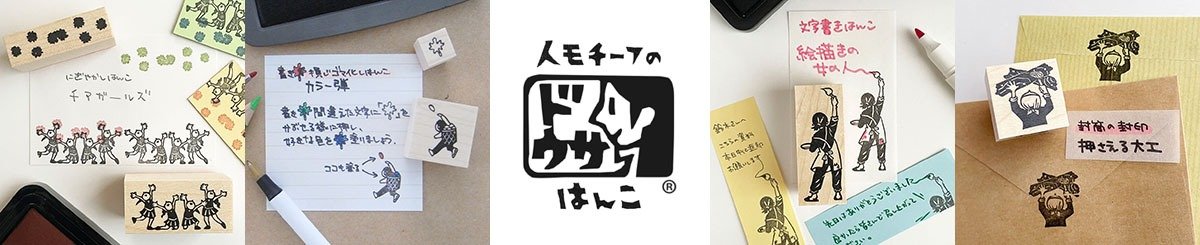
The first image shows the vinyl rubber stamp currently in use. It's a slightly textured material that makes a raspy sound when traced with a fingernail. Solid areas will have a stippled appearance (depending on ink coverage). These are for printmaking and are not erasers. You can enjoy the subtle, delicate texture characteristic of carved prints, and they are durable and long-lasting without special care. However, because they are harder than commercially sold stamps or erasers, please apply firm pressure when stamping. For larger stamps, it might be difficult for young children or the elderly with less strength (stamps with a shorter side of 4cm or more can be considered large). However, even with larger stamps, you can achieve clear impressions by keeping the following in mind, so please rest assured.
◆ Tips and Precautions for Clear Impressions
- Ink Pad
There are dye-based and pigment-based inks available commercially. For use on plain paper, please use a pigment-based ink pad. Also, ensure the ink pad has sufficient ink. Darker colors, including black, are recommended. Dye-based ink pads tend to bleed on paper (this applies not only to vinyl rubber stamps).
- Paper
We recommend paper with a smooth surface, like copy paper or standard postcards. Textured paper, such as drawing paper, will result in faint impressions. Cardboard is also not suitable. Paper that feels smooth to the touch will be easier to stamp clearly. However, intentionally embracing the faded effect can also be appealing, so this is a matter of preference.
- Applying Ink
If the ink is not applying well, place the rubber stamp face up on a table and gently dab the ink pad onto the stamp repeatedly until the entire surface is covered. Then, hold it up to the light to check if the ink coverage is even.
- Stamping Technique
Support the top and bottom of the stamp with one hand, and use the pad of your thumb on your other hand to press down on the engraved design. Apply pressure gradually, as if allowing the ink to soak into the paper (apply extra pressure on solid areas). Stamping while standing often results in clearer impressions. For larger stamps, use a stamping mat and take your time.
- Impression Irregularities
Due to ink coverage and pressure variations, some practice may be needed for perfectly uniform impressions. Even if you think it's too faint, try waiting for the ink to dry. These irregularities can lend a sophisticated, printmaking-like aesthetic. If the impression is too faint, please replenish the ink on your stamp pad.
◆ Care Instructions
After use, wipe off the ink with a cotton cloth. Dampening the cloth with water will help remove it more effectively. If dirt is a concern, lightly wipe with a cloth dampened with nail polish remover. If there is clogging, gently remove debris with a toothpick or similar tool. When storing, avoid prolonged contact where textured objects press against the printing surface, as this can leave marks.


Product Description
Product Details
- Material
- Other Materials
- How It's Made
- Handmade
- Where It's Made
- Japan
- Stock
- Down to the last 0
- Ranking
- No.86,473 - Stationery | No.7,757 - Stamps & Stamp Pads
- Popularity
-
- 198 views
- 0 have saved this item
- Product Type
- Original Design
- Listing Summary
- Here we provide guidance on the rubber stamps currently in use, tips for stamping, and care instructions.
Shipping Fees and More
- Shipping
- Payment method
-
- Credit/debit card payment
- Alipay
- Refunds & Exchanges
- Read more about refunds and exchanges
- Report
- Report this item