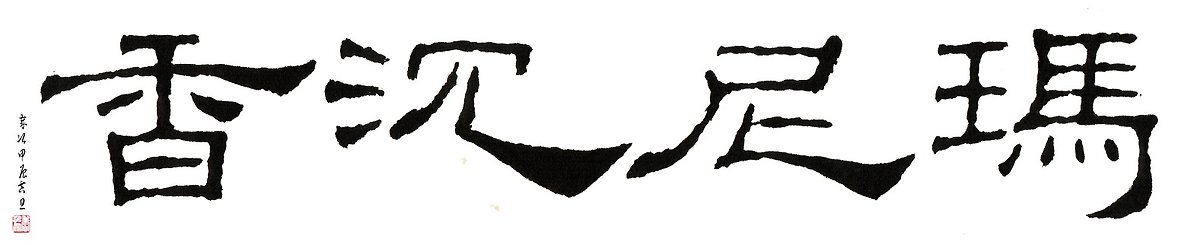

【Ambon soil sinking small plate】
This type of incense is made from Ambon soil raw materials unilaterally.
Raw materials: Ambon soil, nanmu sticky powder
Specifications: 12 pieces/24 trays
Burning time: 4HR
Mani Online Agarwood School - Five Lessons of Agarwood Introduction 5-1
generation and classification
For the reasons for the formation of agarwood, the common sayings are nothing more than 1. Live (live) knots 2. Ripe knots 3. Fall off 4. Four kinds of insect leakage, especially fungal knots, upside-down, etc... All kinds of new The business language nouns are still in the process of continuous innovation, but for the final study, in fact, the reasons for the formation of agarwood are only two kinds of raw knots and mature knots, and there are two kinds of living knots, which are said before the final study. , but this has been introduced at the end of the school before, and the number is not large, so I will skip it here. If you are interested, please refer to the introduction article before the end of the school! !
The four terms of knotting, ripening, falling off, and insect leakage are extracted from the Compendium of Materia Medica. The general explanation is as follows:
1. Birth knot: Cut down servants with a knife and axe, and take the place where the paste veins meet.
2. Cooked: The cream vein condenses and comes out spontaneously.
3. Falling off: The wood rots into the soil and becomes self-contained.
4. Insect leakage: formed by insects and ants for a long time.
As for fungal knots and overturning, fungal knots refer to fungal infection and oil formation, while upturning means that trees fall on the ground after withering, and are formed by natural wind and sun weathering. The soil sink is somewhat similar, but the classification is based on the formation of agarwood observed at that time. For buyers who cannot directly see the actual collection status, it should be in the form of agarwood currently circulating on the market. It is more in line with the actual state to classify it with the classification of sales. In terms of the classification of agarwood in the current production area, there are only two categories, namely raw knots and mature knots. At present, the raw knots in production areas include the Compendium of Materia Medica. It refers to raw knots, cooked knots, insect leakage and fungus knots, etc., and what the entity sees is sinking shells and sinking wood, etc., and the ripening includes falling off and falling off, etc., and what the entity sees is soil In fact, this is the simplest dichotomy. In short, the so-called raw knots in today's production areas refer to the agarwood collected from living dead trees, and then artificially shaved off the excess white meat. In addition, it forms the shape of agarwood that ordinary people see, and ripening refers to the fact that the white meat of the agarwood has been decomposed by natural weathering and soil, leaving only the oil-rich part, so people who collect agarwood in Vietnam only need to After cleaning the surface soil and sand, it will form the soil sink that ordinary people see now.
Because the smell of agarwood has changed too much, this class will not discuss the change in its smell first, but simply investigate the root cause of its agarwood formation, that is, after the agarwood tree is damaged by external forces, the agarwood secretes oil to protect the wound, and this oil is the source of the agarwood fragrance. Different external forces damage will form different fragrances, so when the reasons for external forces are not discussed, the classification of agarwood can only be divided into the above-mentioned dichotomy, because this is the most simple and direct classification method, after all, even if it is a mature agarwood, It must also be formed before the living agarwood tree is damaged by external forces and then decomposed by natural weathering or soil burial for a certain period of time. Therefore, this classification method should be the most scientific and simple and direct classification method, and it will not be determined by individuals. There are different differences between preferences and subjective consciousness, beginners should refer to it! !
# Panxiang# agarwood# unilateral # incense product # 安文# 品香# 香香# Incense Tao # three universal # agarwood# water agarwood #mani agarwood #Buddha Department # Lotus Flower Department # King Kong Department # Chinese and Tibetan incense # East Temple Esotericism#Tangmi#Han Buddhism#Old Hui'an#Huian#XiangDao#Pinxiang#Raw-Cooked Knot#Buddha#Dao#Tao Tibetan#Qingzhou#Great Tripitaka#Nha Trang#Partridgespot# Fragrance#Pinxiang#Yellowwax#天香传#dingwei#tianxiangzhuan#xiangcheng


Product Description
Product Details
- Material
- Wood
- How It's Made
- Machine-made
- Where It's Made
- Taiwan
- Stock
- Down to the last 0
- Ranking
- No.71,780 - Home & Living | No.5,161 - Fragrances
- Popularity
-
- 3,675 views
- 1 sold
- 28 have saved this item
- Product Type
- Original Design
- Listing Summary
- 【Ambon soil sinking small plate】 This type of incense is made from Ambon soil raw materials unilaterally.
Shipping Fees and More
- Shipping
- Payment method
-
- Credit/debit card payment
- Alipay
- Refunds & Exchanges
- Read more about refunds and exchanges
- Report
- Report this item